Canning is one of those timeless techniques that lets us enjoy the best of seasonal produce throughout the year. It’s honestly one of my favorite ways to stock up on fruits, veggies, and even meats. But, with all its benefits, there’s always one question I ask myself before getting into it: Is canning safe?
If you’re like me and love preserving your homemade salsa, jams, or veggies, it’s crucial to know the right methods to ensure your jars stay sealed and your food remains safe. Trust me, getting it right isn’t just about making sure your food lasts; it’s about protecting your family from potential health risks.
So, let’s jump into the canning world together and explore how we can preserve food safely without any worries!
Understanding Canning Safety
Canning is not just about sealing food in jars—it’s about making sure the process keeps harmful bacteria out and locks in the fresh taste. When done improperly, home canned foods can lead to serious foodborne illnesses, such as botulism caused by Clostridium botulinum, a dangerous bacteria that thrives in low-acid foods like meats and some vegetables. Here’s the good news: following the right canning methods makes this a rare issue.
Canning Methods You Should Know
Canning isn’t a one-size-fits-all process. Different foods require different methods to ensure safety:
- i. Boiling Water Bath Canning – Great for high-acid foods such as jams, jellies, salsas, and fruits.
- ii. Pressure Canning – The go-to method for low-acid foods, including vegetables, meats, and poultry. It reaches higher temperatures, killing harmful bacteria.
- iii. Steam Canning – A newer technique, steam canning uses steam to heat jars instead of boiling water. It’s effective, but safety precautions should be followed.
The Importance of Following Safety Guidelines
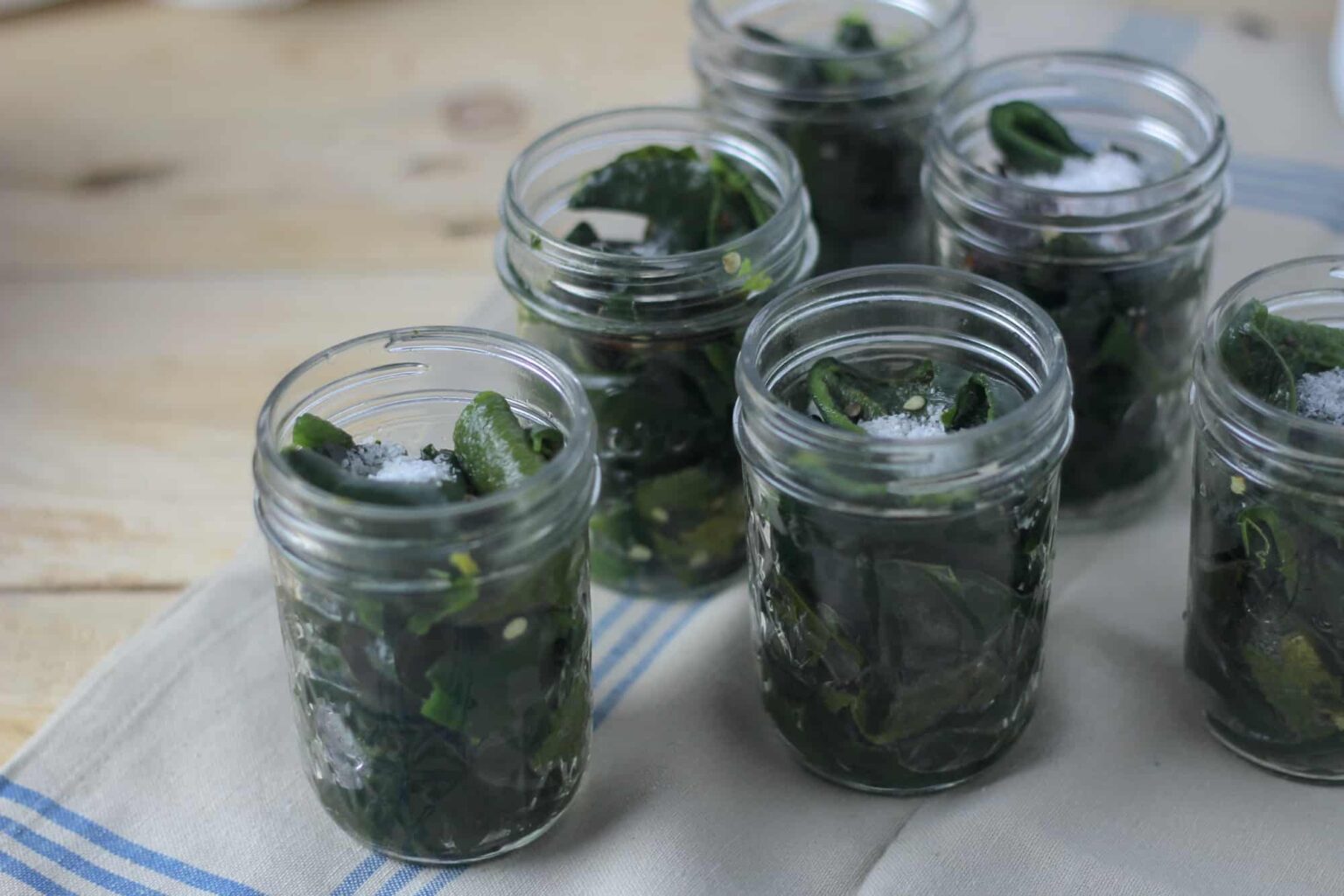
Credit: canr.msu.edu
You may have heard that canning jars are microwave safe or freezer safe. While canning jars are microwave safe if used correctly, freezing them can cause the glass to crack under pressure unless precautions are taken. For more about safely storing foods in canning jars, explore our guide to keeping foods fresh.
Always refer to the USDA Complete Guide for the latest recommendations on canning. It’s vital to follow trusted sources like the Center for Home Food Preservation to ensure you are using original safe canning recipes. They offer comprehensive resources on safe canning practices.
Common Canning Mistakes and How to Avoid Them
Let’s take a look at some of the common canning mistakes that we tend to make.
Mistake #1: Not Properly Processing Your Food
Failing to bring your jars to a boil or not using the correct processing time can leave your food vulnerable to bacteria. This is particularly risky with low-acid foods like vegetables, meats, or pressure canning milk.
Mistake #2: Using the Wrong Equipment
Choosing the wrong equipment, like non-food grade lids or outdated jars, can compromise your canned food’s safety. For more on high-quality canning tools, be sure to check out our guide on Aluminum Canning Equipment.
Mistake #3: Skipping the Headspace
Not leaving enough headspace in your jars can prevent proper sealing. It’s a simple mistake, but one that can make your food unsafe for long-term storage.
Mistake #4: Ignoring the Acidity Level of Your Food
The acidity of the food plays a key role in determining whether boiling water bath canning or pressure canning is appropriate. Acid foods like tomatoes and fruits require boiling water bath canning, while non-acid foods require pressure canning.
What About Pressure Canning?
Credit: almanac.com
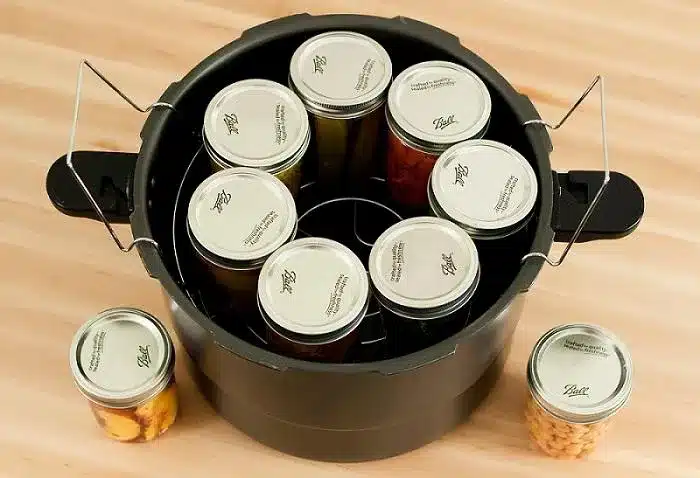
You might be wondering, is pressure canning safe? The answer is absolutely, if done correctly. Pressure canning is the safest method for low-acid foods. Ensure you use a pressure canner that has a working pressure gauge to avoid underprocessing.
Is Pressure Canning Milk Safe?
When it comes to pressure canning milk, it’s safe, but it requires specific methods. Always follow trusted recipes to avoid overcooking and creating a less-than-ideal texture.
How to Preserve Salsa Safely?
Canning Safe Salsa Recipe: If you’re canning salsa, make sure you follow a canning method that balances acidity. A salsa recipe should include acid ingredients like vinegar or lemon juice, which help prevent botulism.
For those wondering if canning tomatoes is safe, the answer is yes—safety in canning tomatoes can be achieved by using the proper acidification methods, like adding lemon juice or citric acid to jars. Always follow the latest recommendations for safe canning tomatoes.
The Canning Process: Step-by-Step
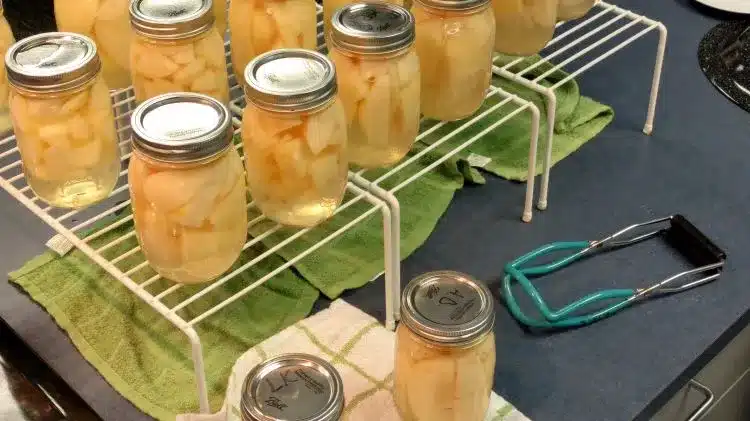
Credit: homesteadingfamily.com
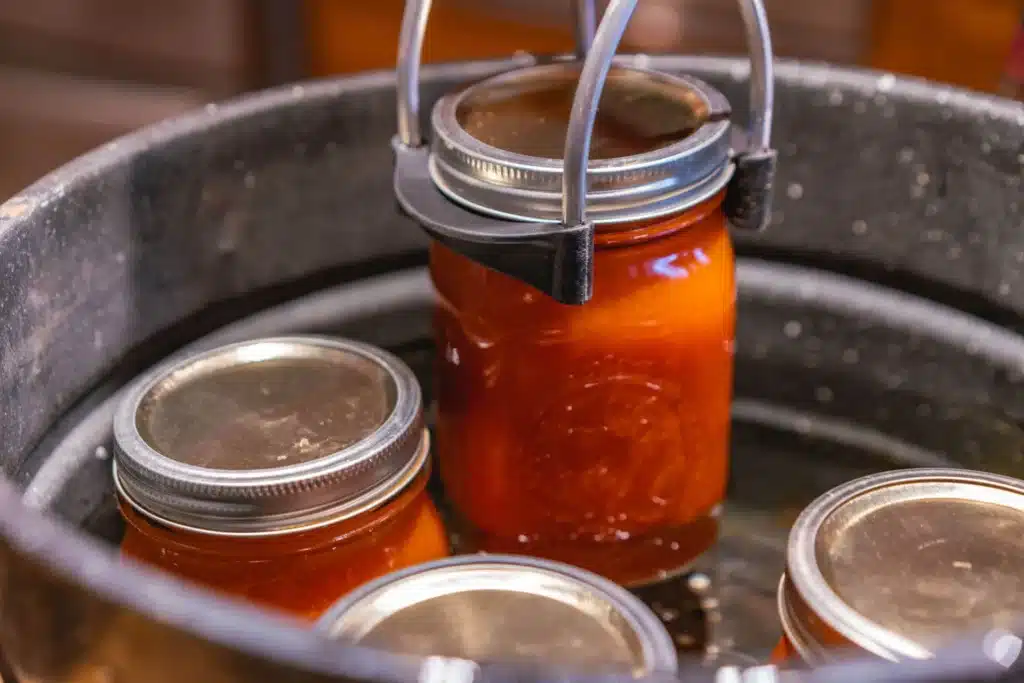
Let us now take a look at some of the canning steps briefly.
- Step 1: Prepare Your Jars and Lids – Sterilize the jars and lids before use. Ensure they are free from cracks or chips.
- Step 2: Prepare Your Food – Whether it’s chopped tomatoes, fruits, or vegetables, prepare them according to your recipe. Bring to a boil if necessary.
- Step 3: Pack Your Jars – Carefully fill your jars, leaving the appropriate headspace.
- Step 4: Process the Jars – Follow the correct method—boiling water bath or pressure canning—based on your food.
- Step 5: Cool and Store – Allow jars to cool at room temperature, and check seals. Store your jars in a cool, dark place.
Wrapping It Up
Canning is a great way to enjoy homemade goods all year long, but safety is key. Whether you’re a pro or just starting out, always use the right equipment, follow trusted recipes, and process your jars correctly. With the right knowledge, you can can safely and enjoy worry-free meals down the road.
Time for some safe canning!
FAQ’s
Let’s answer some of your questions regarding safe canning.
Can I use any jar for canning?
No! Always use jars specifically made for canning to prevent breakage or improper sealing.
Are canning jars freezer safe?
Yes, but make sure they have enough headspace for expansion.
How long can home-canned foods last?
Depending on the food and storage conditions, they can last anywhere from 1 year to 5 years.
Can I can butter?
Canning butter safely is tricky. The USDA recommends against canning butter because it’s not acidic enough and could lead to dangerous bacterial growth.
Is steam canning safe?
Yes, but follow proper guidelines to ensure safety.