Guides
Pressure Canning vs Water Bath: Which Method Is Best for Canning?
Talking about preserving the fresh, vibrant goodness of your harvest, there’s something incredibly satisfying about canning your own food. I mean, who…
Beginner-friendly canning guides for pressure canning, meals in a jar, chow chow, jams and jellies, with the safety tips that keep every jar worth opening.
The food's acidity decides the method. Get this one thing right and most canning mistakes disappear.
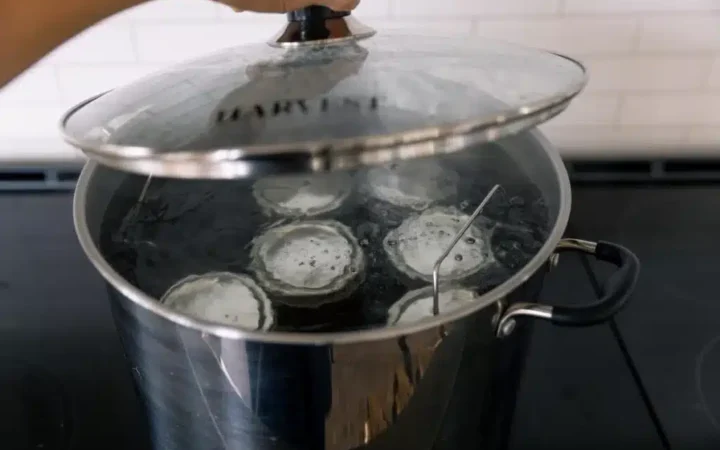
Jars are boiled in a large pot. Perfect for sweet, tangy and pickled foods, and the easiest way to begin.
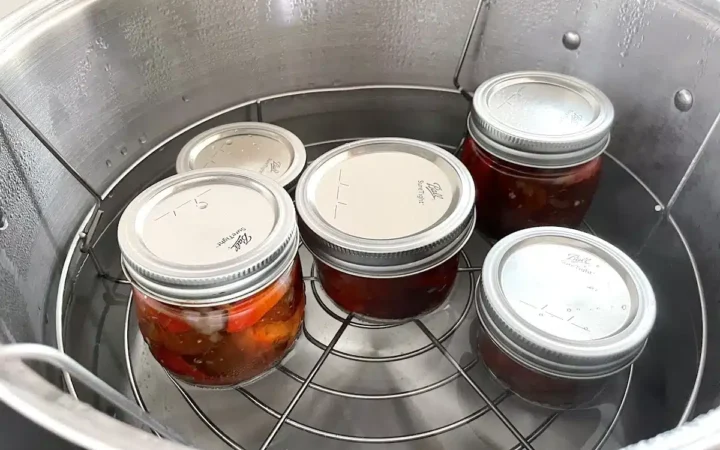
A sealed canner reaches temperatures boiling water cannot. It is required for vegetables, meat and anything with both.
Simple rule: low-acid food always needs a pressure canner. Always follow a tested recipe, never a guess.
From jarred dinners to grape jelly, jump straight to what you came for.
Vegetables, beans and meats preserved the safe way.
Explore →Pressure canned meals and soups for instant dinners.
Explore →The classic tangy relish, plus a spicy version with a kick.
Explore →Smooth, glossy and sealed in a jar.
Explore →Sunny summer fruit, preserved for toast all year.
Explore →Fresh, herby pasta ideas for your garden harvest.
Explore →Seals, headspace, altitude and what to toss.
Explore →Our picks of the best canning books for 2024 and 2025.
Explore →Every recipe is different, but the rhythm is always the same.
Wash jars, keep them hot, and prepare food exactly as your tested recipe says.
Leave the headspace your recipe calls for so jars can seal properly.
Remove bubbles, wipe each rim clean, then add the lid.
Tighten rings fingertip-tight. Over-tightening can block air from escaping.
Use the tested time for your method, jar size and altitude.
Rest jars undisturbed for 12 to 24 hours, then confirm each lid is sealed.
Good canning is mostly about discipline. These habits protect every jar you make.
Times and ingredient ratios are tested for safety. Do not swap or improvise.
High-acid foods go in a water bath; low-acid foods need a pressure canner.
Higher elevation means longer times or more pressure. Check your recipe's chart.
Bulging lids, leaks, spurting liquid or off smells mean discard the jar.
Talking about preserving the fresh, vibrant goodness of your harvest, there’s something incredibly satisfying about canning your own food. I mean, who…
Canning is one of those timeless techniques that lets us enjoy the best of seasonal produce throughout the year. It’s honestly one…
Canning is such a timeless practice, isn’t it? It’s one of those tried-and-true methods that lets us preserve everything from fruits and…
Tomatoes are one of those ingredients that always find a way into my kitchen. Whether I’m making rich tomato sauce, adding them…
Canning has been a beloved tradition for generations, and it’s one of my favorite ways to preserve the flavors of summer, especially…
Canning is such a timeless tradition, and whether you’re just starting out or you’ve been at it for years, the right aluminum…
Everything a first-timer needs on two printable pages. Stick it on the fridge and can with confidence.
Two printable pages: method guide, headspace chart, pressure gauge settings and a seasonal calendar. Sent straight to your inbox.