Talking about preserving the fresh, vibrant goodness of your harvest, there’s something incredibly satisfying about canning your own food. I mean, who doesn’t love the idea of homemade jams, pickled fruits, or jars of perfectly preserved veggies stored away for the winter months? It’s like bottling up the taste of summer! But here’s the thing: when you’re standing in your kitchen with jars and fresh produce, there’s one important decision to make—pressure canning vs water bath. Which method should you choose?
Let’s take a closer look at both so you can confidently pick the best canning method for your needs.
The Boiling Basics: What Is Water Bath Canning?
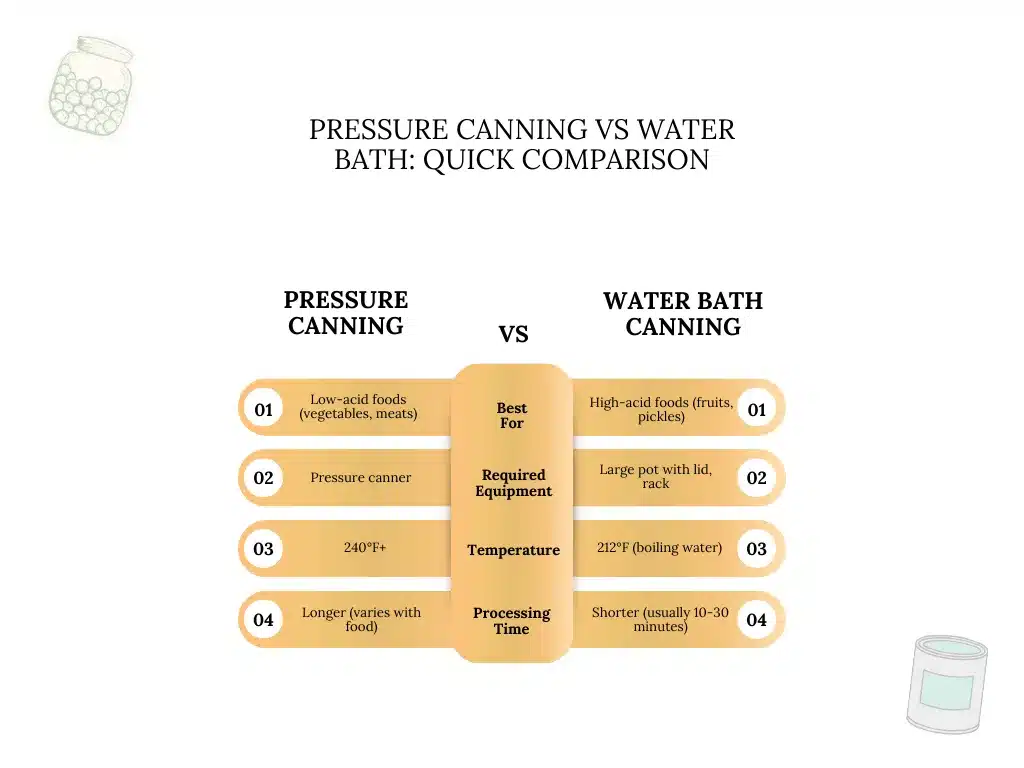
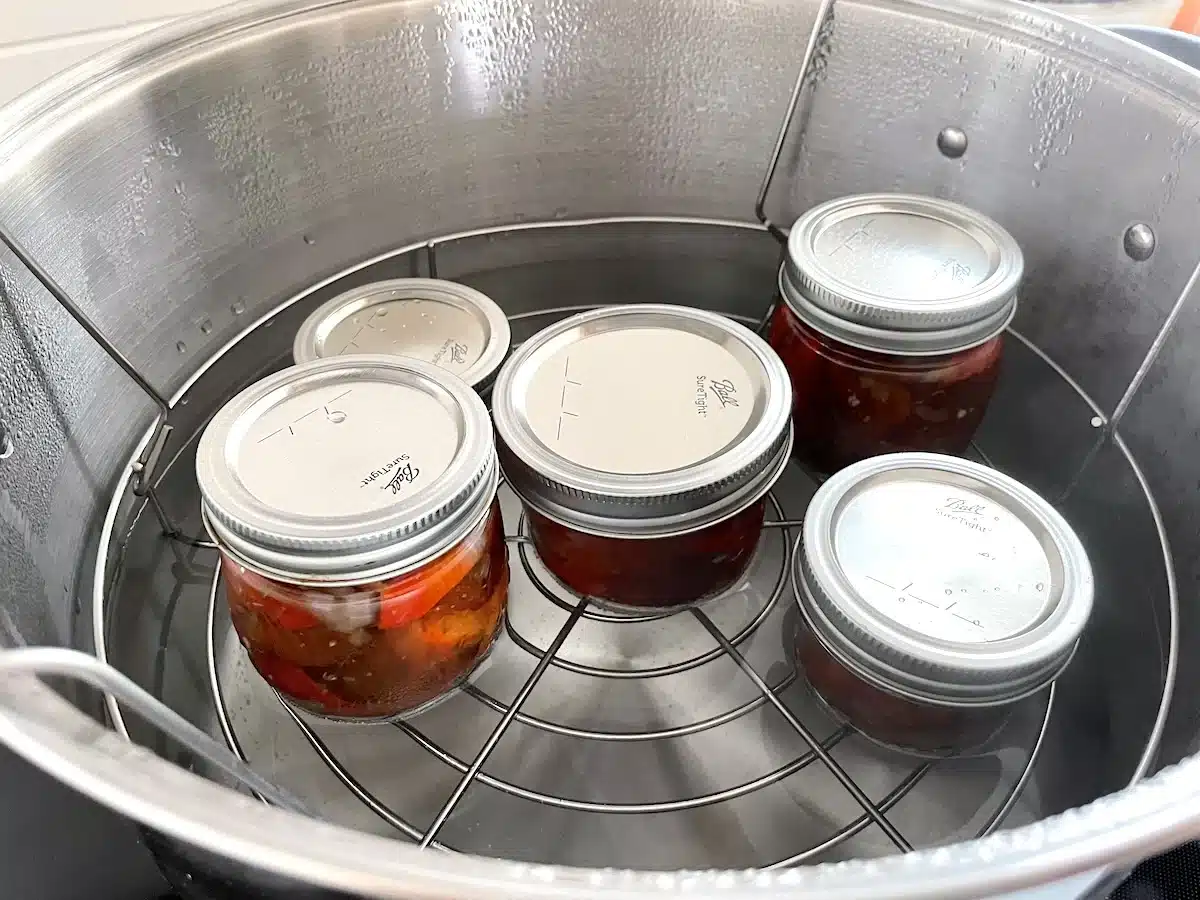
Water bath canning is the classic, tried-and-true method of preserving high-acid foods. The process involves submerging jars of food into a large pot of boiling water, typically for 10 to 30 minutes, depending on the recipe. The boiling water heats the jars, creating a vacuum seal that locks in freshness.
- Best for Acidic Foods: It’s perfect for fruits, jams, jellies, tomatoes, pickles, and other high-acid foods.
- Simple Process: You only need a large pot, a rack, and jars. No fancy equipment required!
- Lower Temperature: The water boils at around 212°F (100°C), making it suitable for delicate foods.
Pro Tip: Want to can water bath canning tomatoes? Check out our guide on how to do it properly for best results. You’ll be enjoying summer tomatoes all year long!
Bring the Heat: What Is Pressure Canning?
Pressure canning, on the other hand, is for low-acid foods that need a higher temperature to kill off harmful bacteria and prevent spoilage. This method uses a pressure canner, which is essentially a large, heavy-duty pot that can withstand high pressure and reach temperatures above the boiling point of water.
Key Features of Pressure Canning
- Best for Low-Acid Foods: This includes vegetables, meats, poultry, and anything that’s not acidic enough for the water bath method.
- Higher Temperature: The pressure canner heats to temperatures of 240°F (116°C) or higher, ensuring your food is safely processed.
- Seals Food Under Pressure: The canner traps steam to build pressure, cooking food at higher temperatures to destroy bacteria.
If you’ve ever wondered how to can pressure canning green beans, you’ll want to use this method to ensure the beans are preserved safely. Plus, pressure canning green beans is one of the easiest ways to keep them tender and delicious for months.
What About Steam Canning?
Credit: itsmysustainablelife.com
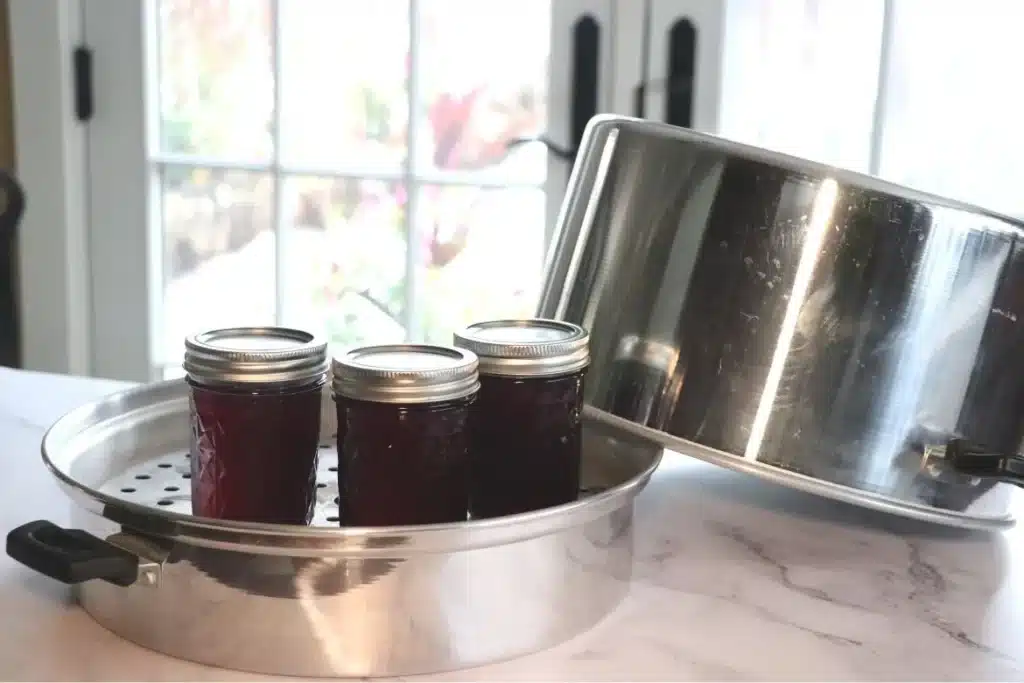
Before you choose between pressure canning vs water bath canning, it’s worth mentioning steam canning. While it’s not as widely used, steam canning works similarly to water bath canning but uses steam instead of boiling water to heat the jars. It’s a more recent method, approved by the USDA, and is great for high-acid foods like fruits and tomatoes.
Steam Canning
- Uses steam, not water.
- Requires less water.
- Ideal for high-acid foods.
While steam canning is an option, it doesn’t replace pressure canning or water bath canning for all food types. Stick with pressure canning for your canning tomatoes in pressure canner or any low-acid foods.
Which Method Do You Need? Pressure or Water Bath?
Now, the big question—when should you use pressure canning vs water bath? Here’s a quick guide to help you figure it out:
a) Water Bath Canning: Perfect for high-acid foods such as:
- Tomatoes (if acidified with lemon juice or citric acid)
- Pickled vegetables
- Jams and jellies
- Fruits (fresh or pickled)
b) Pressure Canning: Essential for low-acid foods like:
- Green beans
- Carrots
- Meat and poultry
- Corn and peas
- Broths and stocks
The advantages of water bath canning are that it’s simple and affordable. However, you can’t safely process low-acid foods with water alone—this is where pressure canning comes into play.
Pro Tip: If you’re ready to dive deeper into canning recipes, check out our 15 tempting pressure canning recipes for preserving. You’ll find amazing ideas for pressure canning green beans, meats, and more!
Acid is the Key
Credit: masterclass.com
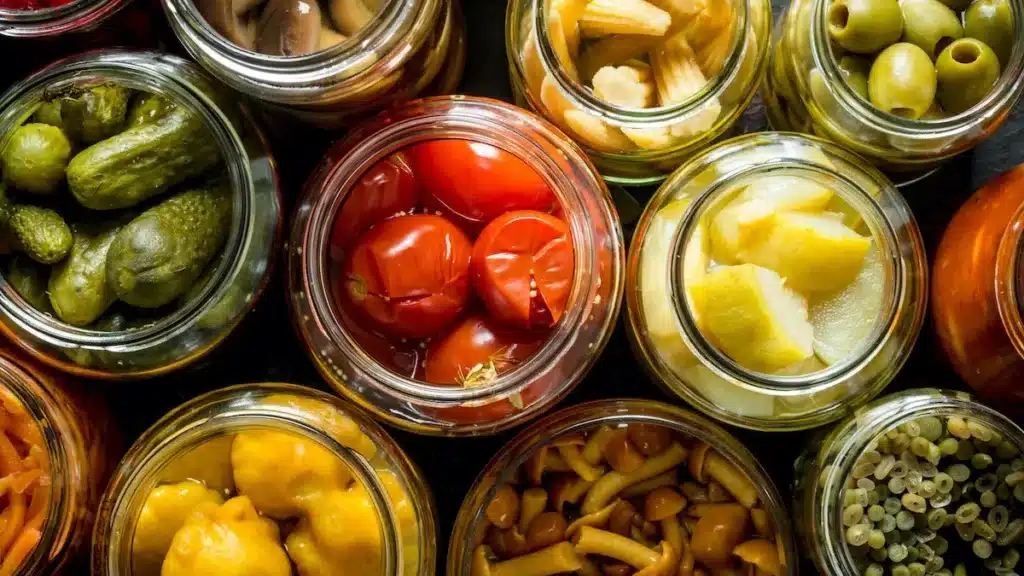
Why is acid so important in canning? Because the level of acidity in food determines whether it can be safely processed using the water bath canning method.
- High-Acid Foods: Foods like fruits, tomatoes, pickles, and jams have a natural acidity level that prevents the growth of harmful bacteria during the canning process.
- Low-Acid Foods: Vegetables, meats, and poultry require the higher temperatures achieved in a pressure canner to kill off any bacteria, especially botulism.
A common misconception is that you can use water bath canning for all fruits and veggies, but certain low-acid foods need that extra pressure to stay safe and shelf-stable.
Hot Water Bath vs Pressure Canning: What’s the Difference?
The primary difference between hot water bath vs pressure canning is temperature and safety. Let’s break it down:
- Water Bath Canning: Boiling water at 212°F, great for acidic foods.
- Pressure Canning: Boiling water alone won’t get hot enough, so a pressure canner boosts the temperature to 240°F+.
This difference is why low-acid foods need the pressure canner for safety. Simply put: Pressure canning vs water bath isn’t just about convenience—it’s about keeping your food safe and ensuring long-term preservation.
When to Choose Which?
- Canning tomatoes in pressure canner is crucial when they’re low-acid varieties or if you don’t want to risk spoilage.
- Water bath canning green beans is only safe if they’ve been acidified. Otherwise, you’re better off using the pressure canner.
- Water bath canning vs pressure canning methods—when in doubt, always choose the pressure canner for low-acid foods.
The Bottom Line
As we come to the end, when it comes to pressure canning vs water bath, both methods have their place. Water bath canning is perfect for high-acid foods like fruits and pickles, while pressure canning is your go-to for low-acid foods like vegetables and meats.
To can successfully, it’s all about knowing your food and choosing the right method. And don’t forget to prep your jars properly! That’s the key to keeping everything safe and tasty. Get ready to savor your garden’s fresh flavors all year long!
FAQ’s
Got questions? Let us answer them!
Can I use a regular pot for water bath canning?
Yes, but it’s better to use a dedicated water bath canner with a rack to keep jars off the bottom.
Why can’t I use water bath canning for low-acid foods?
Low-acid foods need higher temperatures to kill bacteria, which is why pressure canning is required.
Do I need to sterilize canning jars?
Yes, sterilize jars in boiling water or a dishwasher to prevent bacteria.
Can I pressure can fruits and jams?
No, fruits and jams are best preserved with water bath canning because of their acidity.
How do I know if my jars are sealed?
Check the lids—if they’re sucked in and don’t pop when pressed, they’re sealed! Bulging lids? Refrigerate or reprocess.