Tomatoes are one of those ingredients that always find a way into my kitchen. Whether I’m making rich tomato sauce, adding them to soups, or preserving them for later, they never disappoint. But when tomatoes are in season, they come in fast and furious, and it’s hard to use them all before they spoil. That’s when I started freezing tomatoes for canning later—and it’s been a total game-changer. Freezing tomatoes lets me hold onto that fresh, summer flavor all year long, and when it’s time to can, everything’s already prepped. Plus, I love pulling out a frozen tomato in the winter and feeling like it’s summer again. If you’ve got more tomatoes than you know what to do with, keep reading! I’m about to share how I freeze tomatoes for canning later—it’s simple and super rewarding. Okay, time to unravel this mystery of tomatoes!
Why Freeze Tomatoes for Canning Later?
Freezing tomatoes for canning later is a practical and efficient way to preserve their flavor and texture. When tomatoes are frozen, they’re less prone to spoiling, and they maintain most of their essential nutrients. Freezing allows you to store them until you’re ready to process them into sauces, soups, or salsas.
Benefits of Freezing Tomatoes for Canning
- Convenience: Freezing tomatoes lets you prepare them ahead of time and process them when it’s more convenient.
- Preserves Flavor: When frozen correctly, tomatoes retain much of their fresh flavor, making them a great option for canning later.
- Time-Saver: By freezing tomatoes, you can avoid the rush of canning during peak harvest season. You can freeze them now and can them later at your own pace.
Additionally, using canning jars for freezing allows for easy storage and ensures that the tomatoes stay fresh without taking up too much space.
How to Freeze Tomatoes for Canning Later: Step-by-Step
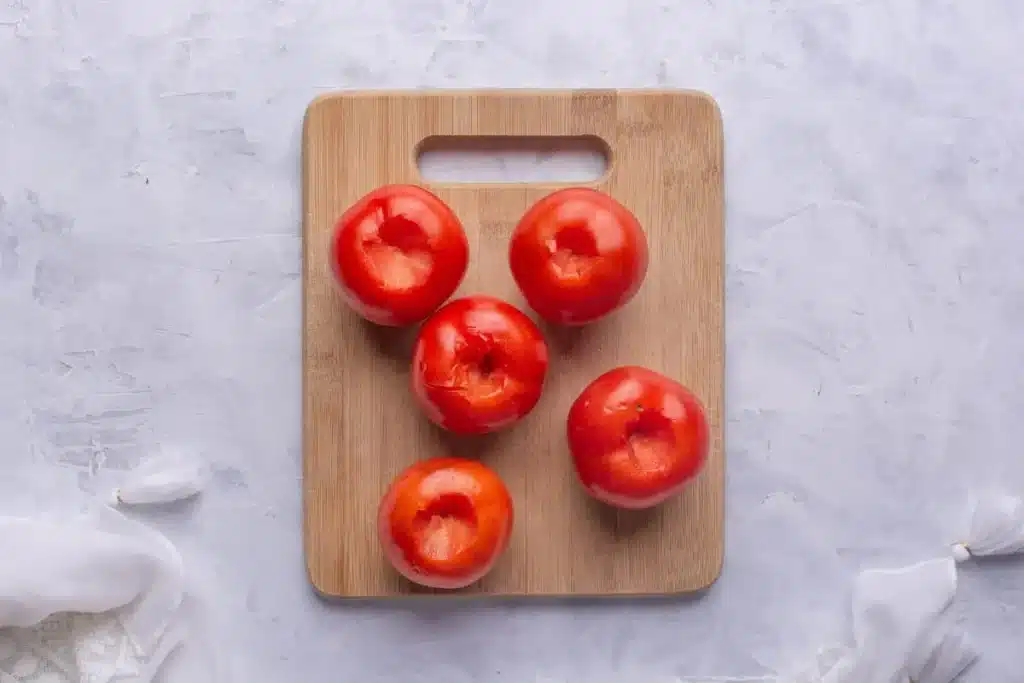
Credit: veganinthefreezer.com
Freezing tomatoes is a simple process, but there are a few steps that will help preserve their texture and flavor. Here’s a step-by-step guide to freezing tomatoes for canning later:
Step 1: Select the Right Tomatoes
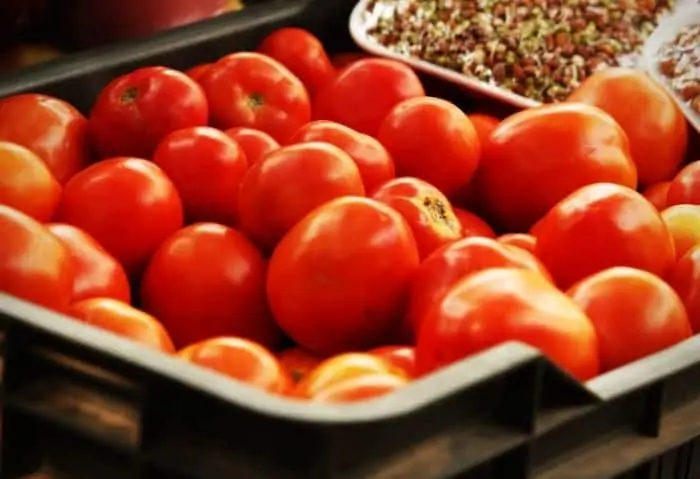
Start by choosing ripe, fresh tomatoes. Roma or plum tomatoes are ideal because they have less water content and are perfect for sauces and canning. However, you can freeze any type of tomato, as long as it’s ripe.
Step 2: Wash the Tomatoes
Wash the tomatoes thoroughly under cool running water to remove any dirt or pesticides. After washing, pat them dry with a clean towel.
Step 3: Blanch the Tomatoes (Optional)
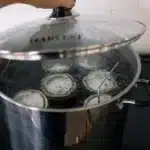
Blanching tomatoes before freezing them helps remove the skins easily, which is particularly important if you’re planning to make sauces or salsas later. Here’s how you blanch tomatoes:
- Bring a pot of water to a boil.
- Cut a small “X” at the bottom of each tomato.
- Place the tomatoes in the boiling water for 30 seconds to 1 minute, or until the skins start to peel away.
- Immediately transfer the tomatoes to an ice bath to stop the cooking process.
- Peel the skins off once they’re cool enough to handle.
While blanching isn’t mandatory, it makes the skin removal process much easier, especially when you plan on using the tomatoes for making sauces.
Step 4: Core and Remove Seeds (Optional)
To make your canned tomatoes smoother, you can core and remove the seeds. This step is optional, but it helps reduce the acidity in the final product, which is perfect if you’re canning later for long-term storage.
Step 5: Cut the Tomatoes (Optional)
If you plan to use the tomatoes in soups, stews, or sauces, you can chop them into smaller pieces before freezing. If you’re preserving them whole for later use in canning, you can skip this step.
Step 6: Package and Freeze
Now that your tomatoes are prepared, it’s time to freeze them. Here’s how:
- Place the prepared tomatoes into freezer-safe containers. Glass canning jars or freezer-safe bags are both great options for storing tomatoes.
- If you’re using glass canning jars made for freezing, make sure to leave some headspace at the top to allow for expansion.
- If using freezer bags, lay them flat in the freezer to save space.
Freezing tomatoes in jars makes them easy to handle when you’re ready to can them. The best quality canning jars for freezing are ones specifically designed for freezer use, as these jars can withstand lower temperatures without cracking.
Step 7: Label and Store
Before you forget, label each container with the date and type of tomato. This will help you keep track of how long they’ve been frozen. Place your tomatoes in the freezer and they’ll be ready for canning whenever you are.
Best Practices for Freezing Tomatoes in Canning Jars
Credit: foodinjars.com
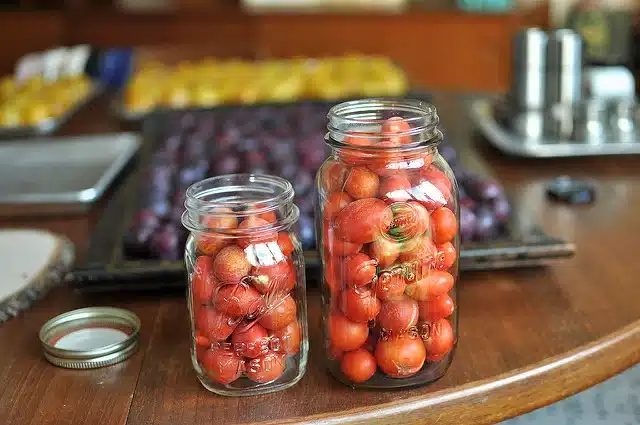
When freezing tomatoes for canning later, using canning jars for freezing is an excellent option. But not all canning jars are made equal, so you should always opt for glass canning jars that are made for freezing. These jars are designed to expand and contract without breaking, which is important when freezing tomatoes.
Here are a few quick tips to ensure you’re using canning jars properly:
- Choose Freezer-Safe Jars: Not all jars are safe for freezing, so always use jars that are designed to withstand freezing temperatures.
- Leave Headspace: When using glass canning jars for freezing, always leave at least an inch of headspace to prevent the glass from cracking as the tomatoes expand.
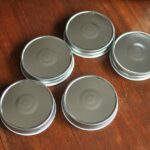
- Metal Lids: Metal lids work well for freezing tomatoes, but be sure to check that they’re sealed tightly. If you plan to freeze soups or make freezer jam, ensure that the lids are snug to avoid freezer burn.
Can You Use Canning Jars for Freezer Jam?
Yes, you can use canning jars for freezer jam! However, ensure that the jars are freezer-safe to prevent them from cracking or breaking due to temperature changes. Follow the same guidelines for leaving headspace to allow the jam to expand.
Tips for Freezing Soup and Tomato Sauces
Freezing tomatoes for canning later is not limited to fresh tomatoes alone! You can also freeze tomato sauces and freezing soup that uses tomatoes. To do so:
- Prepare your tomato soup or sauce as usual, then let it cool completely.
- Once cooled, pour the soup or sauce into freezer-safe glass jars or containers.
- Make sure to leave adequate headspace in jars, as the liquid may expand when frozen.
Freezing soups and sauces in canning jars is not only convenient, but it also makes them easy to store and reheat.
Preserving Tomatoes with Ease
Preserving tomatoes doesn’t have to be difficult. Whether you’re making tomato sauce, salsa, or simply freezing tomatoes for later canning, this process can be simple and rewarding. Freezing tomatoes for canning ensures that you have fresh, flavorful tomatoes on hand whenever you need them. Plus, you’ll be able to enjoy the fruits of your labor long after the harvest season has passed.
FAQ’s
Here’s a quick look at some frequently asked questions about freezing tomatoes for canning later:
Can I freeze tomatoes without blanching them?
Yes, but blanching makes peeling easier and improves the texture of your canned tomatoes.
Do I need to remove the seeds before freezing?
Not necessary, but removing seeds can make your sauces smoother.
How long can frozen tomatoes last?
Up to 6 months. After that, their quality starts to decline.
Is it safe to freeze tomatoes in glass canning jars?
Yes, as long as the jars are freezer-safe. Just leave space for expansion!
Can I freeze tomato soup or sauce in canning jars?
Definitely! Just remember to leave room for the liquid to expand and use freezer-safe jars.
The Bottom Line
As we sum up, freezing tomatoes for canning later is my secret to keeping that fresh summer flavor all year long. It’s super easy, and with just a little prep, I’ve got tomatoes ready to go whenever I need them. Whether I’m freezing them whole, making sauce, or prepping soups, these simple tips help me make the most of my tomato harvest. Trust me, once you try it, you’ll be hooked!
Happy canning tomatoes!